ElfLand Nursery
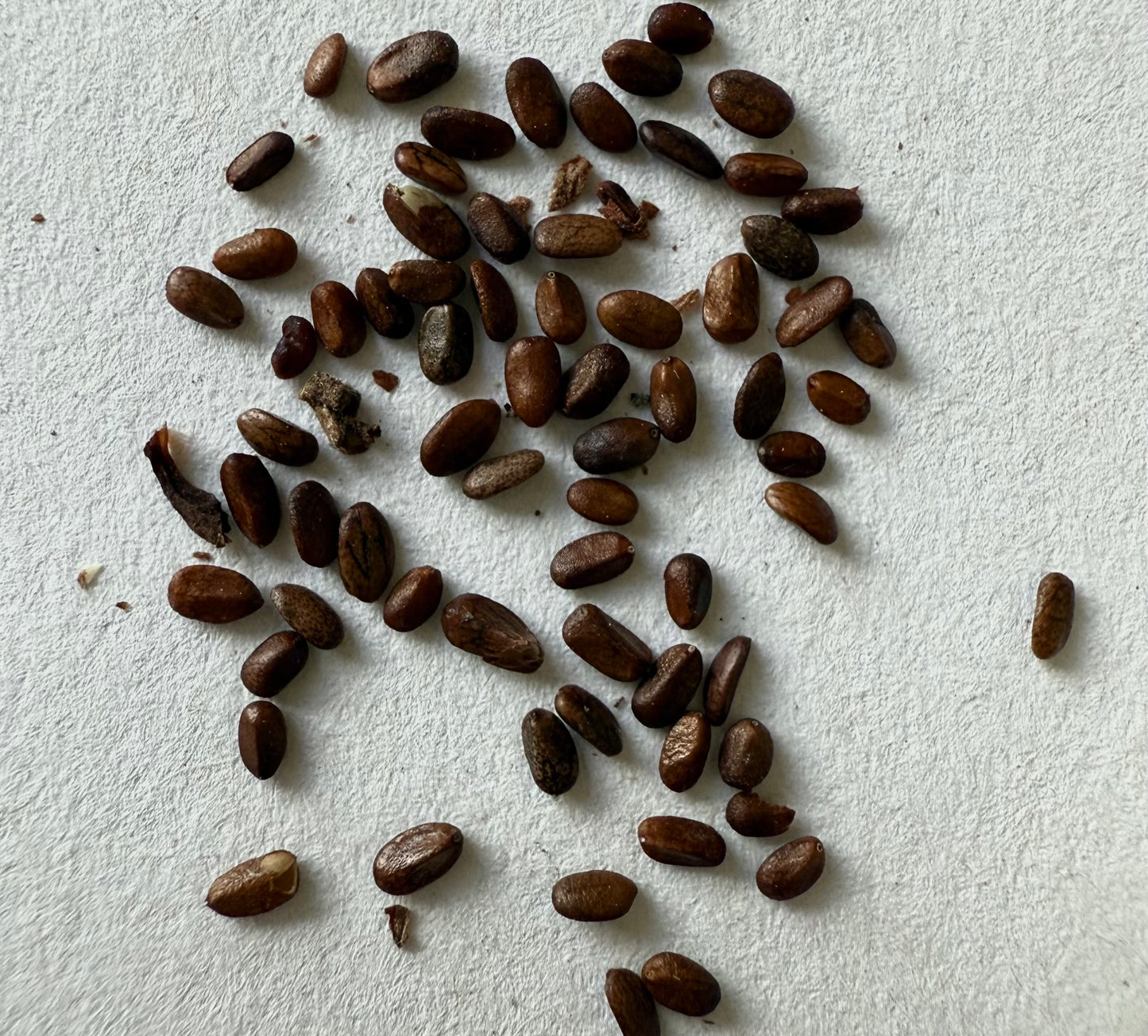
Salvia munzii (Munz’s Sage) - 1,000 Seeds - Bulk
Salvia munzii (Munz’s Sage) - 1,000 Seeds - Bulk
Couldn't load pickup availability
Salvia munzii, commonly known as Munz’s Sage, is a rare and highly ornamental evergreen shrub native to Southern California and northern Baja California. It is prized for its silvery-gray foliage and abundant violet-blue flower spikes that attract pollinators. Well adapted to dry, coastal, and inland climates, this species is valued in native, drought-tolerant, and habitat-focused landscapes. Its scarcity in the trade and strong ecological value make it an excellent choice for specialty nurseries and restoration-focused growers.
This listing is intended for professional growers and wholesale customers seeking dependable propagation material.
Key Specifications
• Botanical Name: Salvia munzii
• Common Names: Munz’s Sage
• Quantity: 1,000 seeds
• Seed Count per kg: Approx. 120,000–150,000 seeds
• Native Region: Southern California and northern Baja California
• Plant Type: Evergreen shrub
• Mature Height (Outdoor): 4–6 feet (1.2–1.8 meters)
• Growth Rate: Moderate
• Hardiness: USDA Zones 9–11
• Light Requirements: Full sun
Cultivation and Use
Munz’s Sage is widely used in native plant gardens, drought-tolerant landscapes, and ecological restoration projects. It thrives in well-draining soils, tolerates heat and drought once established, and performs best with minimal summer irrigation. Its long flowering season and strong pollinator appeal make it especially valuable in habitat and conservation-oriented plantings.
Germination Notes for Growers
Preparation: Cold stratification for 30–60 days may improve germination rates.
Sowing: Sow seeds on the surface of a well-draining seed mix and press lightly; do not cover deeply, as light aids germination.
Optimum Temperature: 60–70°F (16–21°C).
Germination Period: Typically 14–30 days after stratification.
Notes: Keep soil evenly moist during germination. Allow seedlings to dry slightly between waterings once established to prevent damping-off.
Share