Elfland Nursery
Zamia furfuracea (Cardboard Palm, Cardboard Cycad) - 1000 Seeds - Bulk
Zamia furfuracea (Cardboard Palm, Cardboard Cycad) - 1000 Seeds - Bulk
Couldn't load pickup availability
Zamia furfuracea, commonly known as the Cardboard Palm or Cardboard Cycad, is a distinctive cycad native to Veracruz, Mexico. Despite its palm-like appearance and common name, it is not a true palm but belongs to the ancient cycad family Zamiaceae. The botanical name Zamia furfuracea remains an accepted species name.
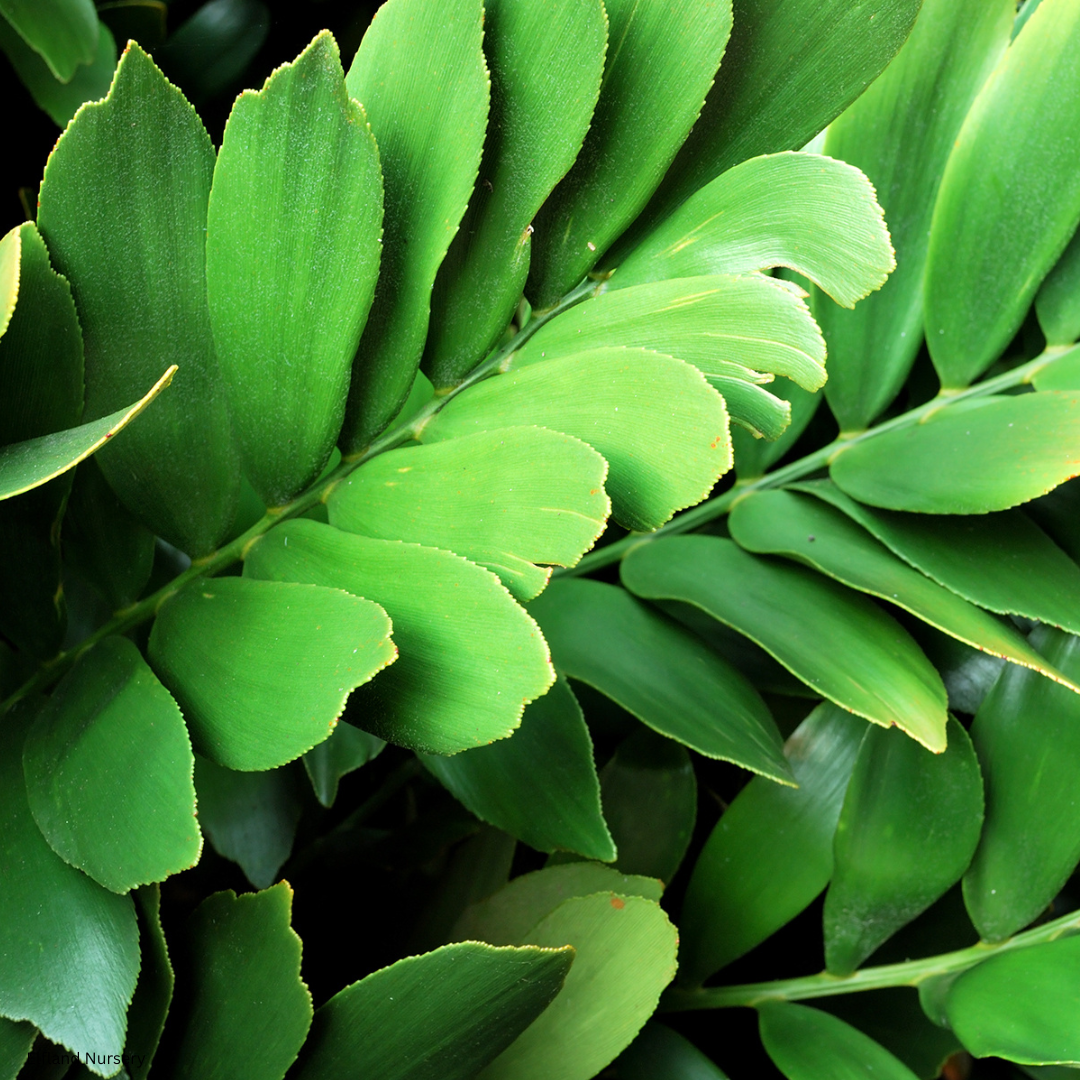
This species is prized for its thick, stiff leaflets with a slightly fuzzy or textured surface that gives the foliage its characteristic cardboard-like appearance. Plants form a compact, symmetrical crown and are well suited to containers, specimen plantings, tropical landscapes, and low-maintenance gardens.
Once established, Zamia furfuracea is highly drought tolerant and performs well in both full sun and partial shade when provided with well-draining soil.
This listing is intended for professional growers and customers seeking dependable propagation material.
Key Specifications
• Botanical Name: Zamia furfuracea
• Common Names: Cardboard Palm, Cardboard Cycad
• Native Region: Veracruz, Mexico
• Plant Type: Evergreen cycad
• Growth Habit: Compact, symmetrical rosette-forming cycad
• Mature Height: Approximately 2–5 feet
• Light Requirements: Full sun to partial shade
• Drought Tolerance: High once established
Cultivation and Use
Zamia furfuracea is widely grown for landscape plantings, containers, specimen displays, and specialty cycad production. It performs best in a well-draining growing medium and should not remain in persistently waterlogged conditions.
Seeds should be sown in a warm, well-draining medium and kept consistently moist but not waterlogged. As with many cycads, germination may occur gradually over an extended period.
Its compact size, distinctive textured foliage, drought tolerance, and prehistoric appearance make Cardboard Palm an excellent choice for professional nursery production, specialty collections, and warm-climate landscapes.
Share